When writing, many people are confused about the phrase “wheater or not.” Is it spelled “wheater” or “whether”? This confusion often arises because the words sound similar, but only one is correct in standard English.
People search for “wheater or not” to make sure their writing is accurate in emails, essays, articles, or social media posts. Using the wrong spelling can make your text look unprofessional or even confuse your readers.
In this article, we will clarify the correct spelling, explain the origin of the word, compare British and American English rules, and give practical examples for everyday use. By the end, you’ll know exactly when to use “whether” and avoid the common mistakes that trip up so many writers.
Wheater or Not – Quick Answer
The correct spelling is “whether”, not “wheater.”
- ✅ Correct: I don’t know whether I will attend the meeting.
- ❌ Incorrect: I don’t know wheater I will attend the meeting.
Tip: “Whether” is used to show choices, possibilities, or alternatives. “Wheater” is not a word in English.
The Origin of Wheater or Not
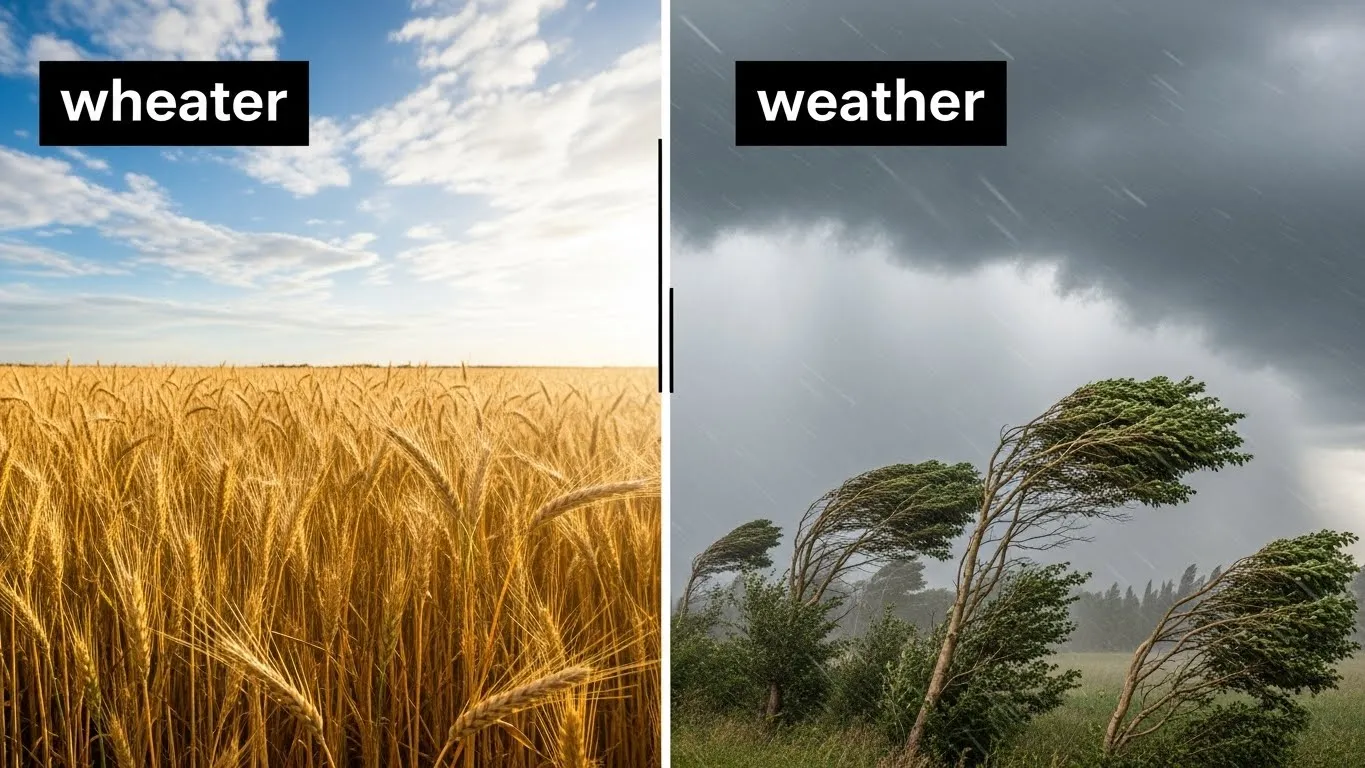
The word “whether” comes from Old English hwæðer, meaning “which of two.” Over centuries, it has maintained its spelling while “wheater” became a common phonetic mistake. The mix-up likely arises because “wheater” looks like the word “weather,” which is about climate.
- Whether → choice, condition, or possibility
- Weather → atmospheric conditions
British English vs American English Spelling
Both British and American English use “whether” in the same way. There is no variation for this word. However, other words with similar pronunciation sometimes differ between US and UK English.
| Word | British English | American English | Use Case |
| whether | whether | whether | Choice/possibility |
| weather | weather | weather | Climate/atmosphere |
| colour | colour | color | General spelling difference |
✅ Key takeaway: Use “whether” for decisions or alternatives in all English versions.
Which Spelling Should You Use?
Always use “whether” in professional writing.
- US writers: Whether
- UK/Commonwealth writers: Whether
- Global audience: Stick with whether for clarity
Avoid “wheater” in any context—it is considered a spelling error everywhere.
Common Mistakes with Wheater or Not
- ❌ I don’t know wheater I can come.
- ❌ He asked me wheater I liked it.
✅ Correct forms:
- I don’t know whether I can come.
- He asked me whether I liked it.
Tip: Remember: “wheater” is always wrong.
Read Also.Climatic or Climactic: What’s the Difference and Which One Is Correct?
Wheater or Not in Everyday Examples
Emails:
- Correct: Please confirm whether you are attending the webinar.
News headlines:
- Correct: Officials are unsure whether the event will proceed.
Social media posts:
- Correct: Can anyone tell me whether this is true?
Formal writing:
- Correct: The report evaluates whether the policy is effective.
Wheater or Not – Google Trends & Usage Data
Searches for “wheater or not” spike among students and non-native speakers. Google Trends shows the US and UK have the highest searches, often related to exam preparation, essay writing, or online communication.
| Keyword | Search Popularity | Top Countries |
| wheater or not | Medium | US, UK, India |
| whether | High | US, UK, Canada, Australia |
| wheater | Low (typo) | Global |
FAQs
1. Is “wheater” a word?
No, “wheater” is a common misspelling of “whether.”
2. How do I know when to use “whether”?
Use it when showing a choice, alternative, or condition.
3. Can “whether or not” be used together?
Yes, it emphasizes both possibilities: “I don’t know whether or not he will come.”
4. Is “whether” different in UK and US English?
No, it is spelled the same in both.
5. Can “whether” replace “if”?
Sometimes, but “whether” is better for formal writing or when presenting alternatives.
6. What is a common mistake with “whether”?
Spelling it as “wheater” or confusing it with “weather.”
7. Can I use “whether” in questions?
Yes, e.g., “Do you know whether the train has arrived?”
Wheater or Not – Comparison Table
| Incorrect | Correct | Example |
| wheater | whether | I don’t know whether to go. |
| wheater or not | whether or not | We must decide whether or not to continue. |
| weather | whether (context-dependent) | Check whether the plan works. |
Conclusion
The phrase “wheater or not” is a common misspelling. The correct word is “whether”, which indicates choice, alternative, or possibility. It is consistent across American, British, and global English,
making it safe for all professional, academic, and everyday writing. Avoid confusing it with “weather,” which relates to climate. By remembering this simple rule, you can improve clarity and professionalism in your writing. Whether in emails, social media, essays, or news articles, “whether” ensures your message is accurate and clear.

Claire Keegan an Irish author famous for powerful short stories. She writes in a clear and emotional style.