Many people search for “wether or weather” because these two words look similar but mean very different things.
Spellcheck won’t always save you, and using the wrong word can change your meaning completely. Imagine writing an email about bad weather and accidentally mentioning a wether you’d be talking about a sheep instead of rain and storms.
This confusion is common among students, writers, bloggers, and even professionals. Both words come from Old English, both are real, and both are still used today but in totally different contexts
. One belongs in forecasts, news, and daily conversation. The other is mostly used in farming and agriculture.
This article clears up that confusion once and for all. You’ll get a quick answer, learn the history and origin of each word, see British vs American usage, and understand which spelling you should use based on your audience
. You’ll also find examples from real life, common mistakes to avoid, FAQs, and usage tips backed by search trends.
Wether or Weather – Quick Answer
Weather refers to the state of the atmosphere, such as rain, heat, wind, or snow.
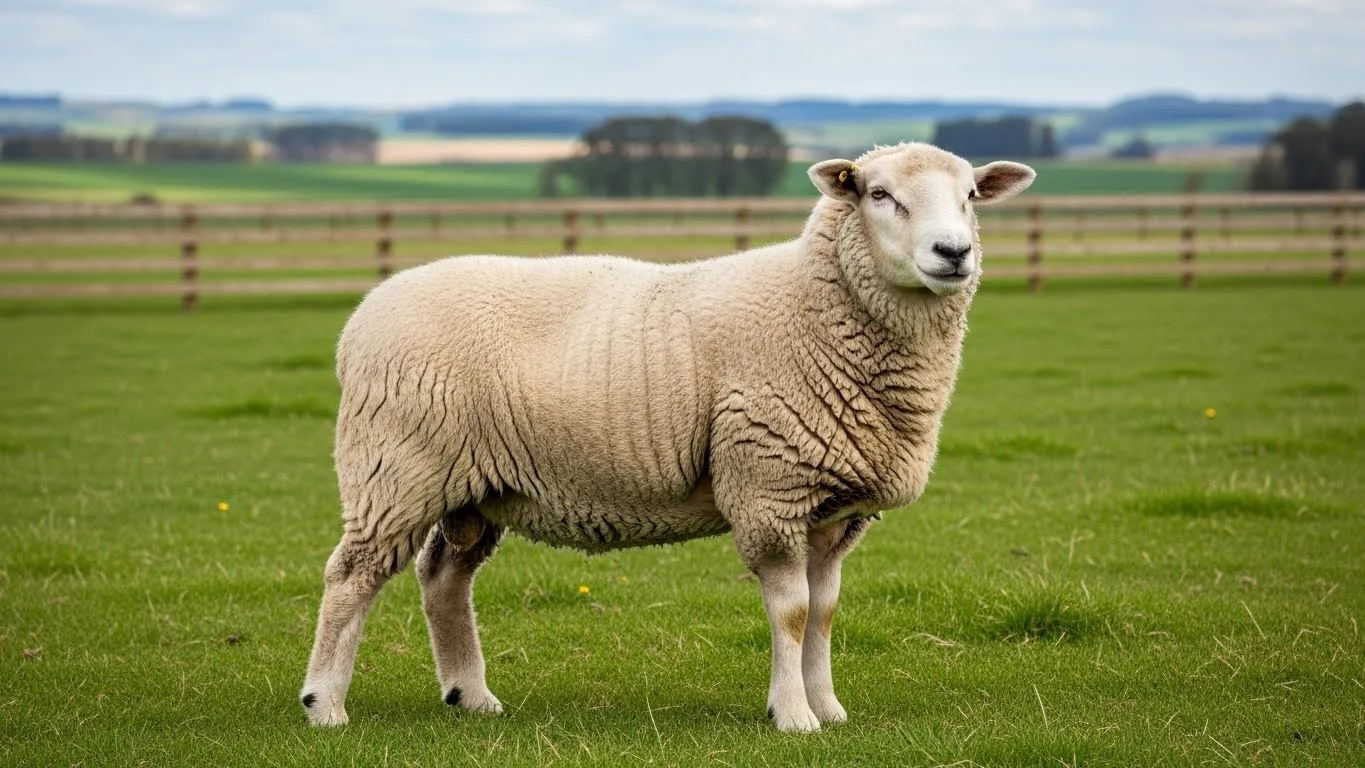
Wether means a castrated male sheep.
Examples:
- ✅ The weather is cold today.
- ❌ The wether is cold today. (Wrong unless you mean a sheep)
- ✅ The farmer sold a wether.
- ❌ The farmer sold a weather. (Incorrect)
Quick tip:
If it’s about climate, temperature, or rain → weather
If it’s about livestock → wether
The Origin of Wether or Weather
Both words come from Old English, which is why they look alike.
- Weather comes from weder, meaning air, sky, or storm. Over time, it became the word we use for atmospheric conditions.
- Wether comes from weþer, meaning a male sheep. This meaning stayed narrow and specific.
The spelling difference exists because English evolved by sound, not strict rules. While weather grew into everyday language, wether remained a technical farming term.
British English vs American English Spelling
There is no spelling difference between British and American English for these words.
| Aspect | British English | American English |
| Weather | Weather | Weather |
| Wether | Wether | Wether |
| Meaning | Same | Same |
| Usage frequency | Weather (very common) | Weather (very common) |
Key point:
This confusion is about meaning, not regional spelling.
Which Spelling Should You Use?
Your choice depends on context, not country.
- US audience: Use weather almost always
- UK & Commonwealth: Same rule applies
- Global audience: Use weather unless writing about sheep or farming
Professional advice:
If you are unsure, weather is correct in 99.9% of cases.
Common Mistakes with Wether or Weather
❌ I like rainy wether
✅ I like rainy weather
❌ The wether forecast says rain
✅ The weather forecast says rain
❌ Climate wether is changing
✅ Climate weather is changing
Mistakes usually happen because people don’t know wether is a real word.
Wether or Weather in Everyday Examples
Emails:
- The meeting was delayed due to bad weather.
News:
- Extreme weather events are increasing worldwide.
Social Media:
- Love this cozy weather ☁️
Formal Writing:
- Seasonal weather patterns affect agriculture.
Agriculture context:
- The farmer raised a prize wether.
Wether or Weather – Google Trends & Usage Data
Search data shows:
- “Weather” is searched millions of times monthly worldwide.
- “Wether” is rarely searched and mostly in farming-related content.
By country:
- US, UK, Canada, Australia → Overwhelmingly weather
- Agricultural regions → Occasional wether searches
Conclusion from trends:
Most people searching “wether or weather” want spelling clarification, not animal terminology.
Read More Climatic or Climactic: What’s the Difference and Which One Is Correct?
Comparison Table: Wether vs Weather
| Feature | Wether | Weather |
| Part of speech | Noun | Noun |
| Meaning | Castrated male sheep | Atmospheric conditions |
| Common usage | Rare | Very common |
| Used in forecasts | ❌ No | ✅ Yes |
| Everyday writing | ❌ No | ✅ Yes |
about Wether or Weather
1. Is “wether” a real word?
Yes, but it means a male sheep, not climate.
2. Can I use “wether” instead of “weather”?
No, unless you are writing about sheep.
3. Do British and American English differ here?
No, both use the same spellings and meanings.
4. Why do people confuse wether and weather?
They look and sound similar, but mean different things.
5. Is “weather” ever spelled differently?
No, “weather” has one standard spelling.
6. Which word should I use in exams?
Almost always weather.
7. How can I remember the difference?
Weather = atmosphere, wether = wool/sheep.
Conclusion
The confusion between wether or weather is common, but the solution is simple. Weather is one of the most frequently used words in English, covering rain, heat, storms, and climate.
Wether, on the other hand, is a specialized farming term that refers only to a castrated male sheep.
There is no British or American spelling difference to worry about. The real issue is context. If you are writing emails, articles, exams, social posts, or professional content, weather is almost always the correct choice.
Using wether outside of agriculture can confuse readers and hurt credibility.
A good rule to remember:
If it affects your day, your clothes, or your plans → weather
If it lives on a farm → wether
Mastering small differences like this improves clarity, professionalism, and confidence in your writing.

Jon McGregor a British writer known for quiet, realistic stories. His writing focuses on everyday life and human emotions.