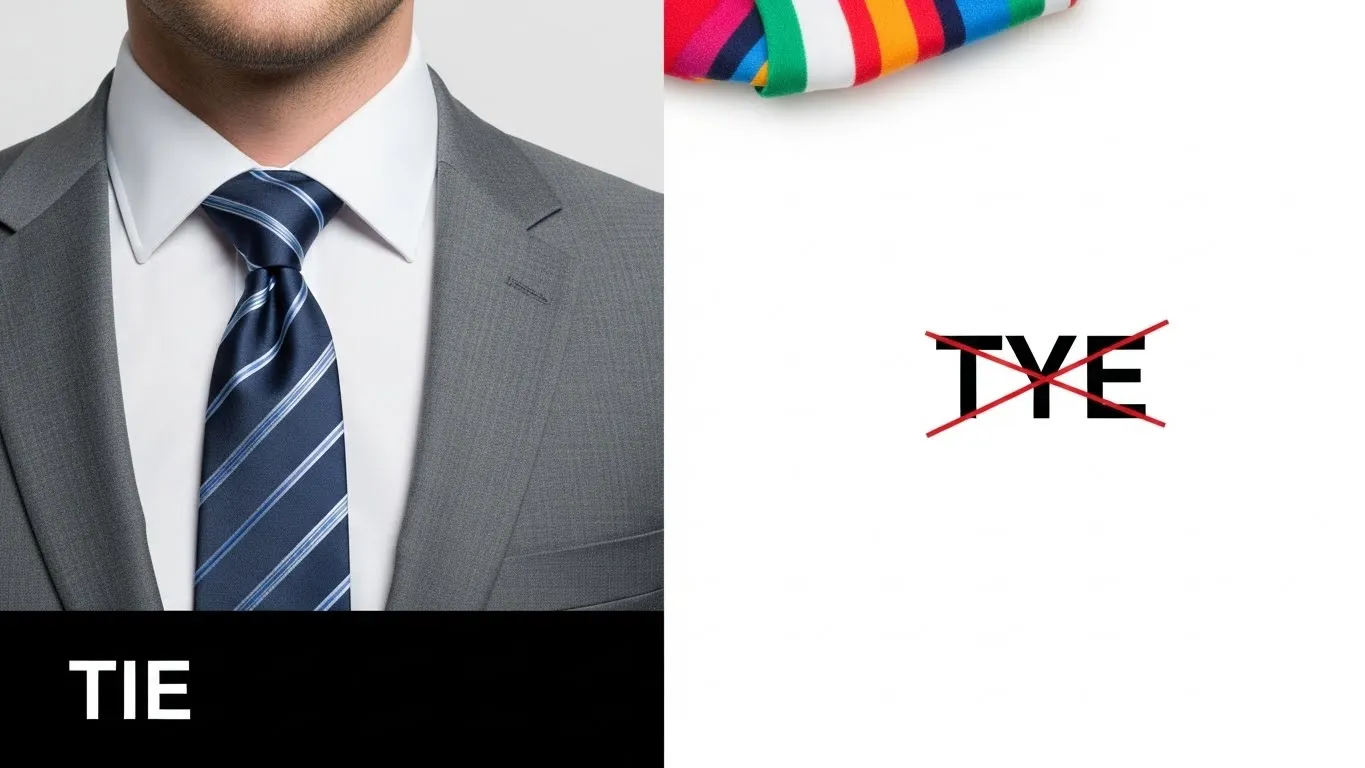
Have you ever typed “tie or tye” into Google and paused, unsure which spelling is correct? You’re not alone. This confusion is very common, especially for non-native English speakers,
students, and even professionals writing emails or documents. Both spellings look possible, and spellcheck tools don’t always explain why one is right and the other is wrong.
People usually search this keyword because they’ve seen “tye” used somewhere—on social media, in names, or in casual writing and wonder if it’s an alternative spelling of “tie.”
Others worry about making mistakes in formal writing, exams, or work communication. This article clears up that confusion once and for all.
In this guide, you’ll get a quick answer, learn the origin of the word, see how British and American English handle it, and understand which spelling you should use based on your audience.
You’ll also see real-life examples, common mistakes, Google usage trends, and a helpful comparison table. By the end, you’ll know exactly when to use tie and why tye is almost always wrong.
Tie or Tye – Quick Answer
Tie is the correct spelling in standard English.
Tye is not correct for the common word meaning “to fasten” or “a neck accessory.”
Examples:
- He wore a blue tie to the meeting. ✅
- Please tie your shoes properly. ✅
- He wore a blue tye. ❌
- Please tye your shoes. ❌
Exception: Tye may appear as a surname or proper name, not as a regular word.
The Origin of Tie or Tye
The word tie comes from Old English tīegan, meaning “to fasten or bind.” Over time, it became tie, following standard English spelling patterns.
English does not have a historical or linguistic reason to spell this word as tye. The spelling tye often appears due to:
- Phonetic spelling by learners
- Typing mistakes
- Confusion with names (like the surname Tye)
Unlike many English word variations, tie vs tye is not a British vs American difference. One is correct; the other is not.
British English vs American English Spelling
There is no difference between British and American English for this word.
| Feature | British English | American English |
| Correct spelling | tie | tie |
| Alternative spelling | ❌ tye | ❌ tye |
| Used in formal writing | tie | tie |
Key point: Both varieties use tie only.
Which Spelling Should You Use?
Your choice is simple:
- US audience: Use tie
- UK audience: Use tie
- Commonwealth countries: Use tie
- Global or professional writing: Always use tie
You should only use tye if:
- It is someone’s name
- It is part of a brand or username
Common Mistakes with Tie or Tye
Here are frequent errors people make:
- ❌ Writing tye instead of tie
- ❌ Assuming tye is informal or American
- ❌ Using tye in exams or work emails
- ❌ Thinking both spellings are acceptable
Correct form:
✔ Always use tie for the verb and noun.
Tie or Tye in Everyday Examples
Emails
- Please wear a formal tie to the event. ✅
News
- The match ended in a tie. ✅
Social Media
- I can’t tie this knot 😅 ✅
Formal Writing
- There is a strong tie between the two companies. ✅
- Read More.Therapy or Counseling: Understand the Key Differences
Tie or Tye – Google Trends & Usage Data
Search data shows that “tie” is used millions of times more than “tye.”
- Tie: Common worldwide (US, UK, Canada, Australia, Pakistan)
- Tye: Mostly searched due to spelling confusion or as a name
Conclusion from trends:
When people search “tie or tye,” they want confirmation. The correct and dominant form is tie.
Comparison Table: Tie vs Tye
| Feature | Tie | Tye |
| Correct English word | ✅ Yes | ❌ No |
| Verb (to fasten) | ✅ | ❌ |
| Noun (neckwear) | ✅ | ❌ |
| British English | ✅ | ❌ |
| American English | ✅ | ❌ |
| Proper name | ❌ | ✅ Sometimes |
: Tie or Tye
1. Is “tye” ever correct?
Only as a name, not as a common English word.
2. Is “tie” British or American?
It is both British and American.
3. Why do people write “tye”?
Because of pronunciation confusion or typing errors.
4. Can I use “tye” in informal writing?
No. It is still incorrect.
5. Does “tie” have multiple meanings?
Yes. It means to fasten, a draw in sports, or a connection.
6. Will “tye” be marked wrong in exams?
Yes, in standard English exams.
7. Does spellcheck catch “tye”?
Not always, which causes confusion.
Conclusion
When it comes to tie or tye, the answer is clear and simple. Tie is the only correct spelling in standard English, whether you are writing casually, academically, or professionally.
There is no British or American difference here, and there is no accepted alternative spelling. The confusion usually comes from pronunciation, typing habits, or exposure to names and usernames that use tye.
If you want to write with confidence, remember this rule: use “tie” every time for clothes, knots, relationships, or sports results. Avoid tye unless it is clearly a person’s name or brand.
Keeping this small detail correct helps your writing look polished, professional, and trustworthy. When in doubt, choose tie, and you’ll never be wrong.

Claire Keegan an Irish author famous for powerful short stories. She writes in a clear and emotional style.