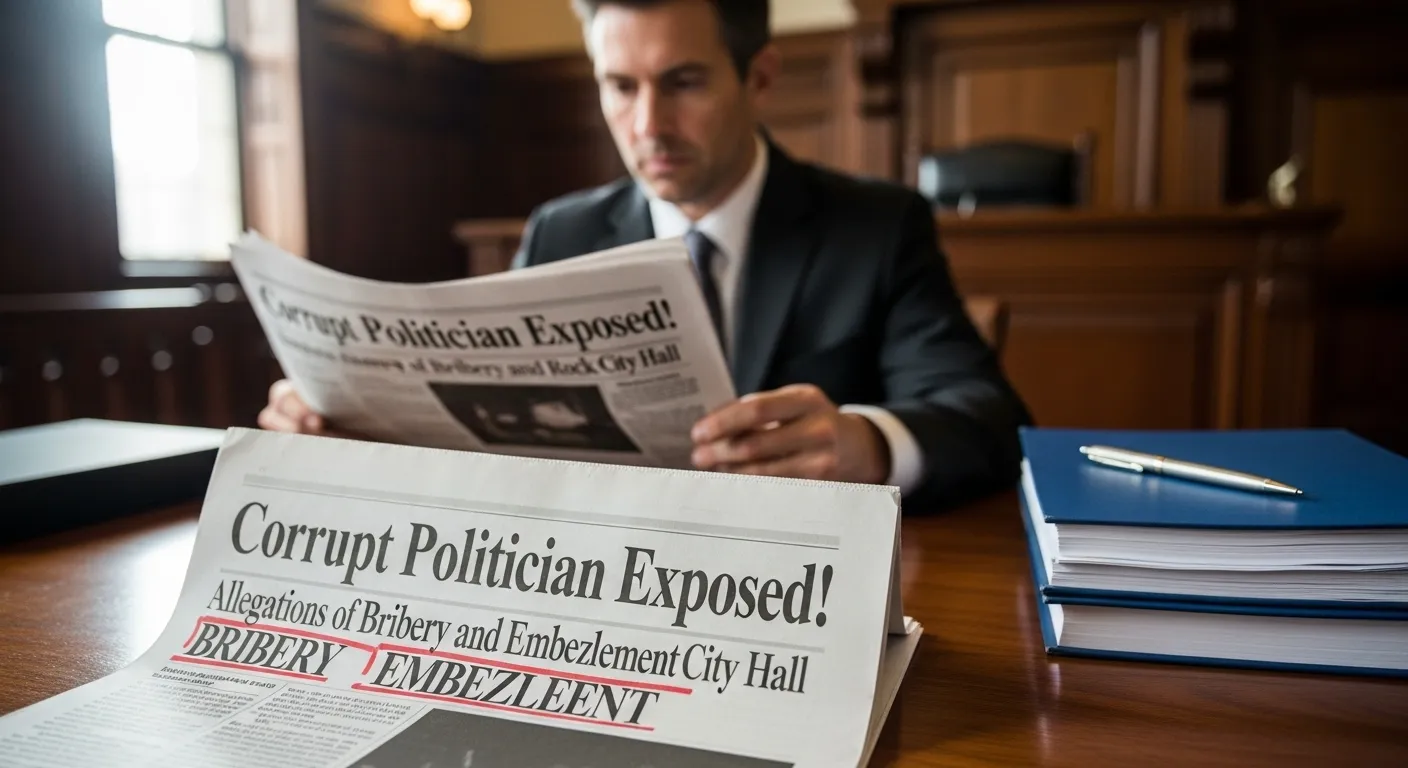
Many people search for “libel or slander” because they sound similar, relate to defamation, and are often used interchangeably in news, social media, and legal discussions.
This confusion can cause real problems, especially in writing, journalism, business communication, or legal contexts. Using the wrong term may change the meaning of a statement or make it legally inaccurate.
At its core, the confusion exists because both libel and slander involve false statements that harm a person’s reputation. However, the form of the statement is what separates them.
One is written, and the other is spoken. This small difference has big legal consequences, which is why people want a clear, simple explanation.
This article solves that confusion quickly and clearly. You’ll get a direct answer, real-life examples, spelling and usage guidance for British and American English, common mistakes to avoid, and practical advice on which word to use and when.
you’re a student, blogger, journalist, or business owner, this guide will help you use libel or slander correctly and confidently.
Libel or Slander – Quick Answer
Libel is defamation in written or published form.
Slander is defamation in spoken form.
Examples:
- A false accusation written in a newspaper → Libel
- A false accusation spoken during a speech → Slander
The Origin of Libel or Slander
The word libel comes from the Latin libellus, meaning “little book” or “written document.” Historically, it referred to written accusations or published statements.
Slander comes from the Old French esclandre, meaning “scandal.” It was used for spoken words that caused public shame.
There are no spelling differences between British and American English for these words. The confusion is not about spelling, but about how the statement is communicated.
British English vs American English Spelling
There is no spelling difference between British and American English for libel and slander. Both regions use the same forms.
| Term | British English | American English | Meaning |
| Libel | Libel | Libel | Written defamation |
| Slander | Slander | Slander | Spoken defamation |
Which Spelling Should You Use?
Since spelling is the same worldwide, your choice depends on context, not location.
- US audience: Use libel for written, slander for spoken
- UK/Commonwealth: Same rule applies
- Global audience: Focus on clarity, not regional spelling
Tip: Ask yourself one question — Was it written or spoken?
Read More.Illicit or Elicit: Learn the Correct Usage Instantly
Common Mistakes with Libel or Slander
Here are frequent errors people make:
- ❌ Calling a spoken rumor “libel”
✅ Correct: Slander - ❌ Using “slander” for social media posts
✅ Correct: Libel - ❌ Using both words as synonyms
✅ Correct: They are related but not the same
Libel or Slander in Everyday Examples
Emails:
- A false accusation written in an email → Libel
News:
- A TV anchor making a false spoken claim → Slander
Social Media:
- A defamatory tweet or Facebook post → Libel
Formal Writing:
- Legal documents clearly separate libel and slander based on format
Libel or Slander – Google Trends & Usage Data
Search data shows that “libel or slander” is commonly searched in:
- English-speaking countries
- Legal and journalism contexts
- Online reputation management topics
“Libel” is searched more often due to social media, blogs, and online publishing. “Slander” appears more in legal education and courtroom-related content.
Libel vs Slander Comparison Table
| Feature | Libel | Slander |
| Form | Written or published | Spoken |
| Examples | Articles, posts, emails | Speeches, conversations |
| Proof Needed | Easier to prove | Harder to prove |
| Legal Impact | Often more serious | Usually less severe |
FAQs: Libel or Slander
1. Is social media libel or slander?
Libel, because it is written and published.
2. Can a video be slander?
If spoken words cause harm, yes. If captions or text are involved, it may be libel.
3. Is libel worse than slander?
Legally, libel is often treated as more serious.
4. Can a text message be libel?
Yes, because it is written.
5. Are both illegal?
Yes, if they meet legal standards of defamation.
6. Can opinions be libel or slander?
Opinions are usually protected unless stated as false facts.
7. Do these words change by country?
No, the definitions stay the same globally.
Conclusion
Understanding the difference between libel or slander is simple once you focus on one key rule: written versus spoken. Libel covers false statements that are written or published, while slander applies to harmful statements that are spoken. This distinction matters in law, media, business, and everyday communication.
There are no spelling differences between British and American English, so you don’t need to worry about regional variations. Instead, focus on how the statement was shared.
Emails, articles, posts, and messages fall under libel. Speeches, conversations, and verbal claims fall under slander.
Using the correct term improves clarity, professionalism, and legal accuracy. Whether you’re writing an article, managing a brand, or simply learning English, knowing when to use libel or slander helps you communicate with confidence and precision.

Sarah Hall is an English novelist and short story writer. She often writes about nature, identity, and strong characters.