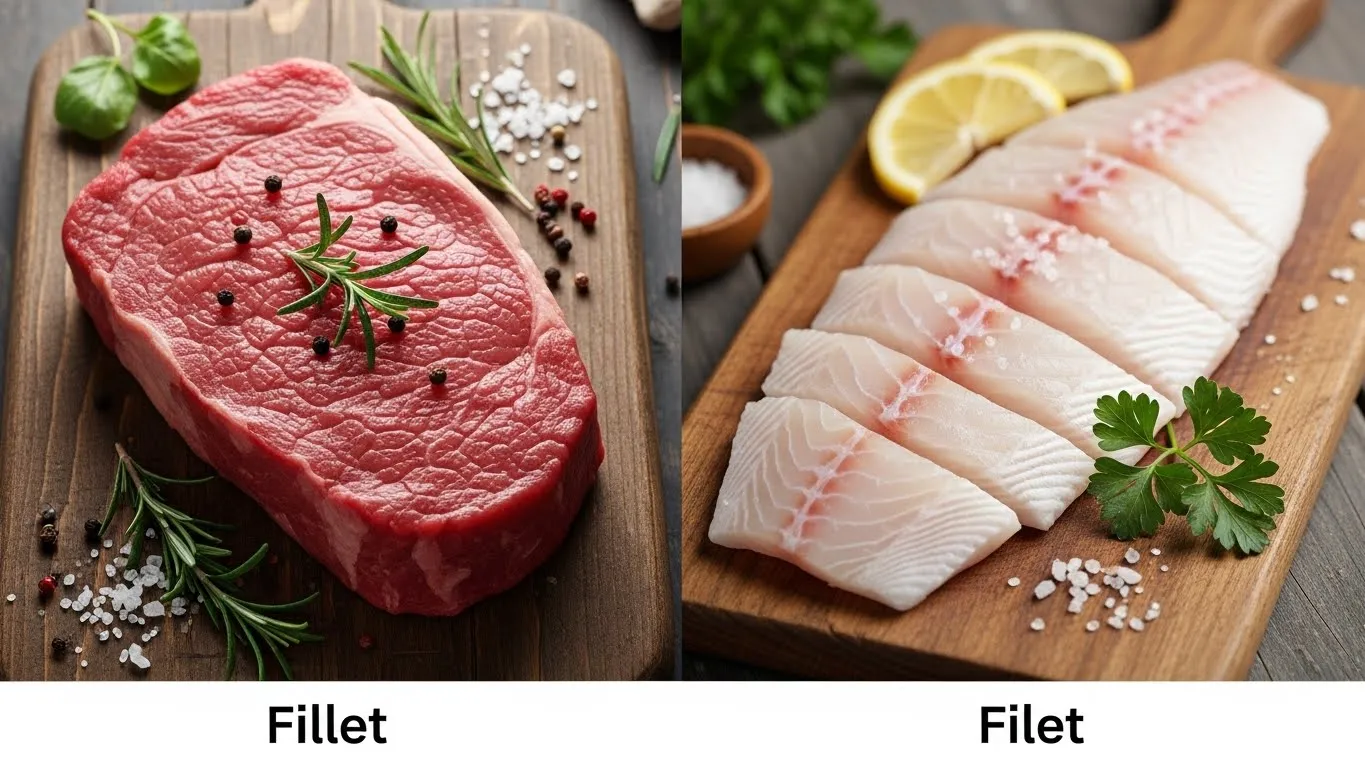
Have you ever paused while writing a menu, recipe, or article and wondered: is it fillet or filet? You’re not alone. This is a very common spelling question,
especially for people who write about food, cooking, or fine dining. Both words look correct, both are widely used, and both refer to the same thing—so why do two spellings exist?
People search for “fillet or filet” because they want a quick, confident answer. They want to know which spelling is correct, which one sounds more professional, and which one fits their audience.
The confusion often comes from British vs American English rules, French influence, and how the word is used in restaurants versus everyday writing.
This article clears up that confusion completely. You’ll get a simple explanation, learn where each spelling comes from, see real-life examples, and understand which version you should use based on your location and audience. By the end, you’ll never hesitate again when choosing between fillet and filet.
Fillet or Filet – Quick Answer
Both “fillet” and “filet” are correct. They mean the same thing: a piece of meat or fish without bones.
- Fillet is more common in British English
- Filet is more common in American English, especially on menus
Examples:
- UK: Grilled salmon fillet
- US: Filet mignon
The Origin of Fillet or Filet
Both words come from the French word “filet,” meaning “small thread” or “strip.” In French cooking, it referred to a thin, boneless cut of meat or fish.
When English adopted the word:
- British English anglicized it to fillet
- American English kept the French spelling filet, mainly in food contexts
Over time, both spellings stayed in use, creating today’s confusion.
British English vs American English Spelling
The difference between fillet and filet follows common spelling patterns.
| Feature | British English | American English |
| Preferred spelling | Fillet | Filet |
| Pronunciation | Same | Same |
| Common usage | Recipes, general writing | Menus, fine dining |
| Example | Chicken fillet | Filet mignon |
Key point: The meaning never changes—only the spelling does.
Which Spelling Should You Use?
Your audience should decide your spelling.
- US audience: Use filet
- UK, Australia, Canada: Use fillet
- Global or SEO content: Use fillet and mention filet once
For menus and restaurants, filet often looks more elegant.
Common Mistakes with Fillet or Filet
Here are mistakes people often make:
- ❌ Thinking one spelling is wrong
✔️ Both are correct - ❌ Mixing spellings in one document
✔️ Choose one and stay consistent - ❌ Using “filet” in British academic writing
✔️ Use “fillet” instead
Fillet or Filet in Everyday Examples
Emails:
- Please prepare two chicken fillets for dinner.
News:
- The chef served a premium beef fillet.
Social Media:
- Tonight’s special: grilled fish filet 🐟
Formal Writing:
- The recipe requires a skinless salmon fillet.
- Read Also.Loser or Looser: Which One Is Correct, What’s the Difference,
Fillet or Filet – Google Trends & Usage Data
Search trends show:
- Filet is most popular in the United States
- Fillet dominates in the UK and Commonwealth countries
- Food-related searches prefer filet
- General writing prefers fillet
Both spellings remain strong worldwide.
Fillet vs Filet – Comparison Table
| Aspect | Fillet | Filet |
| Correct spelling | Yes | Yes |
| English type | British | American |
| Used on menus | Sometimes | Very common |
| SEO-friendly | Yes | Yes |
FAQs About Fillet or Filet
1. Is fillet or filet more correct?
Both are correct. It depends on your audience.
2. Why do restaurants use “filet”?
It keeps the French style and sounds elegant.
3. Is filet only used for beef?
No. It can be used for fish or chicken too.
4. Do they sound different when spoken?
No. They are pronounced the same.
5. Which spelling is better for SEO?
Use fillet and include filet once.
6. Can I use both in one article?
Yes, but explain the difference clearly.
7. Is “filet” wrong in British English?
Not wrong, but fillet is preferred.
Conclusion
The debate between fillet or filet is not about right or wrong—it’s about context and audience. Both spellings refer to the same boneless cut of meat or fish, and both are accepted in modern English.
The key difference lies in regional preference. British English favors fillet, while American English often uses filet, especially in menus and fine dining.
If you’re writing for a UK or international audience, fillet is usually the safer choice. For US readers or restaurant menus, filet feels more natural and familiar. The most important rule is consistency. Choose one spelling and use it throughout your content.
By understanding the origin, usage, and audience expectations, you can use fillet or filet with confidence. No more second-guessing—just clear, correct writing every time.

David Szalay a British writer who focuses on modern life and relationships. His stories are simple but deep.