Have you ever saved a file and seen the word “disk,” but then bought music labeled “disc”? That small spelling change can feel confusing. Many people search for “disk or disc” because both words look correct, but they are used in different situations.
This confusion often appears in technology, music, and everyday writing. For example, your computer may have a hard disk, but your favorite movie comes on a DVD disc.
Both spellings refer to round, flat objects, yet their usage depends on context, region, and industry standards.
Knowing the correct spelling helps you write clearly and professionally. It also prevents mistakes in emails, articles, and technical documents.
Whether you are a student, blogger, or tech user, understanding “disk or disc” will improve your English accuracy. This guide explains the difference, origin, spelling rules, and real-world examples in simple terms.
Disk or Disc – Quick Answer
Both “disk” and “disc” are correct. The difference depends on context.
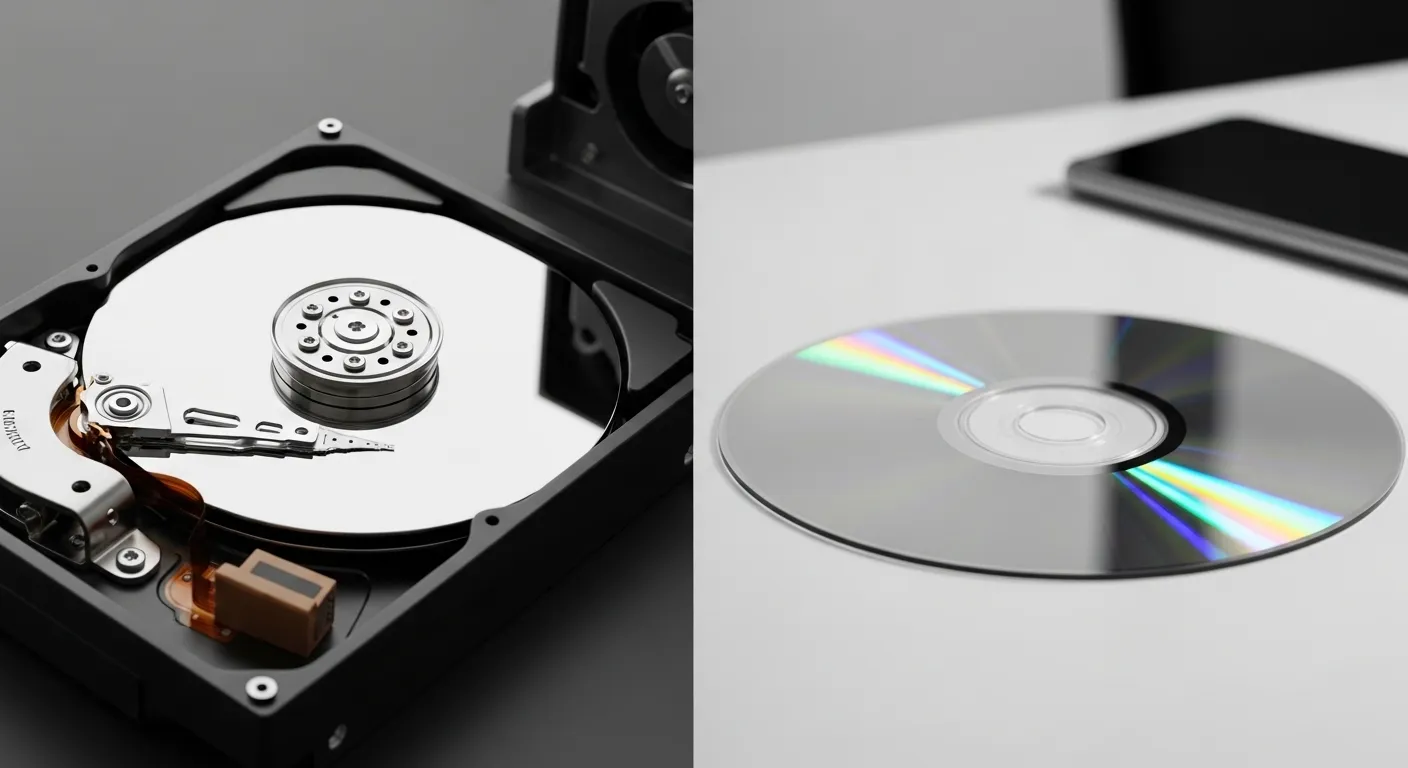
- Disk → Used mainly in computing and technology.
- Disc → Used mainly for music, DVDs, and optical media.
Examples:
- My computer has a large hard disk.
- I bought a new music disc.
- Save the file on your external disk.
- The movie comes on a Blu-ray disc.
Simple rule:
- Computer storage → disk
- Music or optical media → disc
The Origin of Disk or Disc
Both words come from the same root. They started from the Latin word “discus,” meaning a round plate or object. This word entered English through Greek and French.
Over time, English developed two spellings:
- Disc became common in British English and general use.
- Disk became common in American English, especially in computing.
In the 1900s, computer engineers chose disk as the standard spelling for computer storage. This made “disk” strongly linked with technology.
Later, music companies used disc for CDs and DVDs. This created the modern difference we see today.
So, both spellings have the same origin but different modern uses.
British English vs American English Spelling
British and American English often use different spellings. “Disk or disc” follows this pattern, but with a special twist.
- British English prefers disc in general use.
- American English prefers disk, especially in computing.
However, technology standards made “disk” global in computer terms.
Comparison Table: British vs American Usage
| Context | British English | American English |
| General round object | Disc | Disk |
| Computer storage | Disk | Disk |
| Music CD | Disc | Disc |
| DVD or Blu-ray | Disc | Disc |
| Technical computing term | Disk | Disk |
Important exception:
Even in British English, computer storage uses disk, not disc.
Example:
- Correct: Hard disk drive
- Incorrect: Hard disc drive
This rule is followed worldwide.
Which Spelling Should You Use?
Your choice depends on your audience and topic.
Use “Disk” if:
- You write about computers
- You refer to storage devices
- Your audience is technical
- You write for American readers
Examples:
- Hard disk drive
- Disk space
- Disk partition
Major tech companies like Microsoft and Apple use “disk” for storage.
Use “Disc” if:
- You talk about music CDs
- You mention DVDs or Blu-ray
- You refer to physical media
- You write general British English
Examples:
- Music disc
- DVD disc
- Blu-ray disc
Global advice:
Use disk for technology and disc for optical media.
This rule works everywhere.
Common Mistakes with Disk or Disc
Many writers mix these spellings. Here are common mistakes and corrections.
Mistake 1: Using disc for computer storage
❌ Wrong: Save the file on your hard disc.
✅ Correct: Save the file on your hard disk.
Mistake 2: Using disk for CDs or DVDs
❌ Wrong: Insert the music disk.
✅ Correct: Insert the music disc.
Mistake 3: Mixing both in the same context
❌ Wrong: The disk drive reads music disks and discs.
✅ Correct: The disk drive reads music discs.
Mistake 4: Ignoring industry standards
Tech writing always uses disk.
Example:
- Disk cleanup
- Disk management
Never use disc here.
Disk or Disc in Everyday Examples
Here are examples from real life.
Email example:
Subject: File Storage Issue
“My computer disk is full. I need more disk space.”
Office example:
“Please save the backup on the external disk.”
Music store example:
“This disc contains all the greatest hits.”
News example:
“The company released the movie on Blu-ray disc.”
Read More.GOAT or StockX: Which Sneaker Marketplace Is Better?
Social media example:
“My laptop disk crashed. I lost my files.”
Formal writing example:
“The data is stored on a secure disk system.”
These examples show clear usage.
Disk or Disc – Google Trends & Usage Data
Search data shows interesting patterns. According to trends from Google:
- Disk is more popular in:
- USA
- Canada
- Technology searches worldwide
- Disc is more popular in:
- UK
- Australia
- Music and movie searches
Context-based popularity:
| Context | Most Common Spelling |
| Computing | Disk |
| Music | Disc |
| Movies | Disc |
| Storage devices | Disk |
| Technical writing | Disk |
| Entertainment media | Disc |
Technology made disk dominant globally.
Entertainment kept disc alive.
Comparison Table: Disk vs Disc
| Feature | Disk | Disc |
| Main use | Computer storage | Music and movies |
| Industry | Technology | Entertainment |
| American English | Preferred | Used for CDs/DVDs |
| British English | Used in computing | Preferred generally |
| Example | Hard disk | Compact disc |
| Common phrase | Disk space | Music disc |
FAQs About Disk or Disc
1. Is disk or disc correct?
Both are correct. Use disk for computing and disc for CDs and DVDs.
2. Why do computers use disk instead of disc?
Computer engineers chose “disk” as the official spelling. It became the global standard.
3. Is it hard disk or hard disc?
Correct: hard disk
Incorrect: hard disc
Always use disk for computer storage.
4. Is CD spelled disk or disc?
Correct spelling: compact disc
CD stands for compact disc.
5. Do British people use disk or disc?
British English uses both:
- Disc for general use
- Disk for computing
6. Is disk American and disc British?
Mostly yes, but computing uses disk everywhere.
7. Which spelling should I use in professional writing?
Follow the context:
- Technology → disk
- Entertainment → disc
Conclusion
The difference between disk and disc is simple once you know the rule. Both words come from the same origin and mean a round object. However, modern English uses them differently based on context.
Use “disk” when talking about computers, storage devices, and technology. This spelling is the global standard in the tech world. Major companies, software systems, and technical documents all use disk.
Use “disc” when referring to music CDs, DVDs, Blu-ray, and entertainment media. This spelling is more common in British English and entertainment industries worldwide.
Remember the easy rule: computers use disk, music and movies use disc. Following this guideline will make your writing clear and professional. Whether you write emails, articles, or technical documents, using the correct spelling improves accuracy and trust.
Understanding “disk or disc” helps you avoid mistakes and communicate with confidence.

Andrew Michael Hurley is known for dark and atmospheric fiction. His stories often explore faith, fear, and isolation.