Many English learners, writers, and even professionals search for “censor or sensor” because these two words look similar but mean very different things. A small spelling change can completely change the meaning of a sentence—and sometimes cause serious confusion or embarrassment.
Imagine writing an email about a “motion censor” instead of a “motion sensor,” or saying content was “sensor-ed” online instead of “censored.” These mistakes are common because both words sound alike and are often used in technical, media, and digital contexts.
This article clears that confusion once and for all. You’ll get a quick answer, learn the origin of both words, understand British vs American usage, and see real-life examples from emails, news, and social media.
We’ll also look at common mistakes, explain Google Trends usage, and help you decide which word you should use based on your audience. By the end, you’ll know exactly when to use censor and when to use sensor, with confidence and clarity.
Censor or Sensor – Quick Answer
Censor means to remove, block, or suppress content that is considered offensive, harmful, or sensitive.
Example: The government may censor violent scenes on TV.
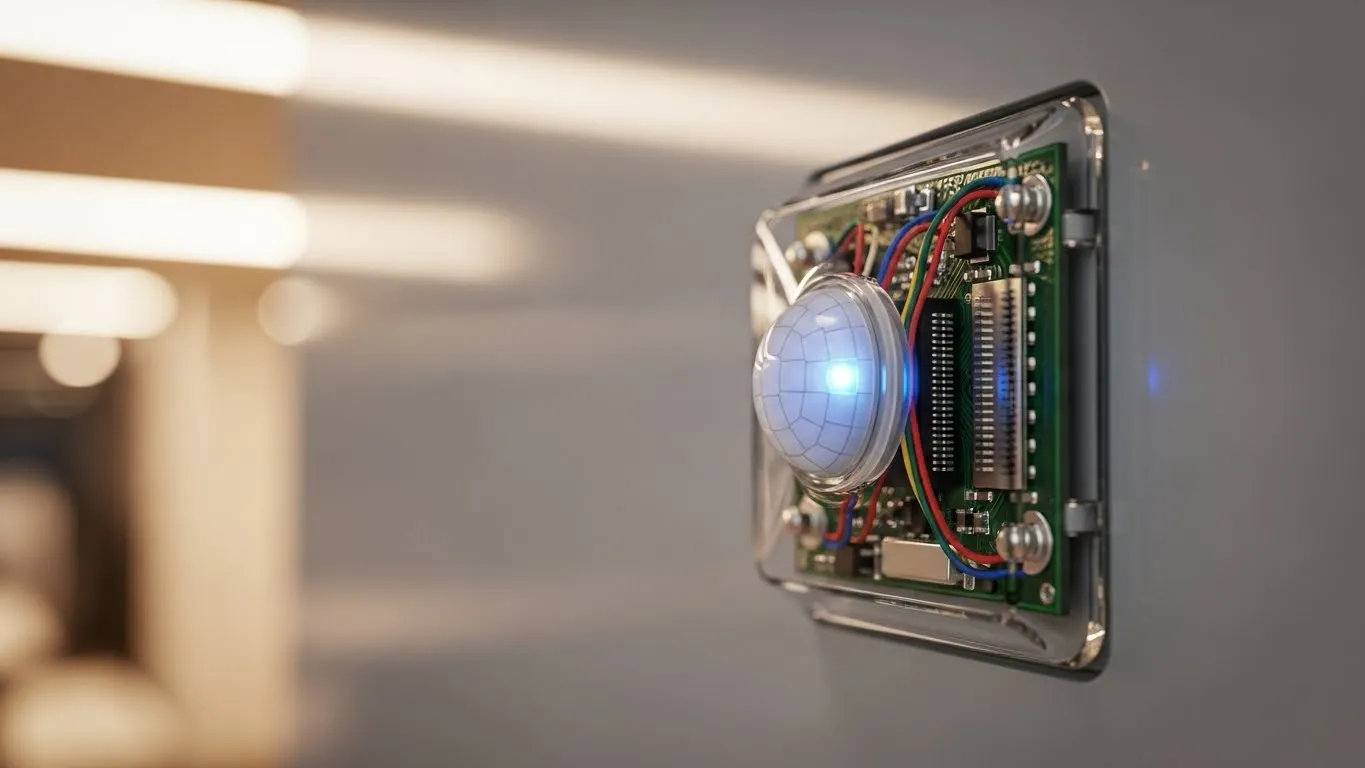
Sensor means a device that detects or measures something like light, heat, motion, or sound.
Example: The phone uses a light sensor to adjust screen brightness.
👉 Simple rule:
- Content, speech, media → Censor
- Devices, technology, measurement → Sensor
The Origin of Censor or Sensor
Censor comes from the Latin word censor, an official in ancient Rome who judged public morals and behavior. Over time, it came to mean controlling or limiting information.
Sensor comes from the Latin word sensus, meaning “feeling” or “perception.” It later became a scientific term for instruments that detect physical changes.
The confusion exists because both words:
- Sound similar
- Share Latin roots
- Are common in modern media and technology
But historically, they developed for very different purposes.
British English vs American English Spelling
There is no spelling difference between British and American English for these words.
| Aspect | British English | American English |
| Censor | censor | censor |
| Sensor | sensor | sensor |
| Meaning | Same | Same |
| Usage | Same | Same |
✅ The confusion is not regional—it’s purely about meaning.
Which Spelling Should You Use?
Choose based on context, not location.
- US audience:
Use censor for media control, sensor for technology. - UK / Commonwealth audience:
Same rule applies. - Global or professional writing:
Be precise. These words are not interchangeable.
If you’re writing about:
- Laws, news, social platforms → Censor
- AI, phones, cars, machines → Sensor
- Read More.Ocra or Okra: Which Spelling Is Correct and Why It Matters
Common Mistakes with Censor or Sensor
❌ Motion censor in the hallway
✅ Motion sensor in the hallway
❌ The app uses AI to sensor content
✅ The app uses AI to censor content
❌ Heat censor in the engine
✅ Heat sensor in the engine
Tip: Ask yourself—Is it a machine or an action on content?
Censor or Sensor in Everyday Examples
Emails
- “The platform may censor inappropriate comments.”
- “The door opens using a motion sensor.”
News
- “Journalists accuse the state of censoring free speech.”
- “Factories use temperature sensors for safety.”
Social Media
- “My post got censored.”
- “Your phone’s face sensor failed.”
Formal Writing
- “Content moderation often involves censorship.”
- “Environmental sensors collect real-time data.”
Censor or Sensor – Google Trends & Usage Data
- Censor is searched more in:
- Politics
- Media
- Social platforms
- Human rights topics
- Sensor is searched more in:
- Technology
- Smartphones
- AI and IoT
- Engineering
Globally, sensor has higher overall usage due to rapid growth in tech and automation.
Comparison Table: Censor vs Sensor
| Feature | Censor | Sensor |
| Part of speech | Verb / Noun | Noun |
| Related to | Content, speech, media | Devices, technology |
| Action | Blocks or removes | Detects or measures |
| Example | Censor a movie | Temperature sensor |
FAQs about Censor or Sensor
1. Is censor the same as sensor?
No. They have completely different meanings.
2. Can censor and sensor be used interchangeably?
Never. Using the wrong one changes the meaning.
3. What is content censoring?
Blocking or removing information from public view.
4. What is a sensor used for?
To detect physical changes like heat, light, or motion.
5. Is censor or sensor more common?
Sensor is more common due to technology growth.
6. Are these words spelled differently in the UK and US?
No. Spelling is the same.
7. How can I remember the difference?
Censor = control content.
Sensor = sense something.
Conclusion
Understanding the difference between censor or sensor is essential for clear and professional communication. While they may sound alike, their meanings live in completely different worlds.
Censor deals with controlling or suppressing information, often in media, politics, or online platforms. Sensor, on the other hand, belongs to technology and science, where it refers to devices that detect or measure physical changes.
The key takeaway is simple: if you’re talking about content or speech, use censor. If you’re talking about devices or detection, use sensor. There is no British or American spelling difference, so your focus should always be on context.
Avoiding this common mistake will instantly improve your writing clarity, credibility, and professionalism—whether you’re writing an email, a news article, or technical documentation.

Sarah Hall is an English novelist and short story writer. She often writes about nature, identity, and strong characters.