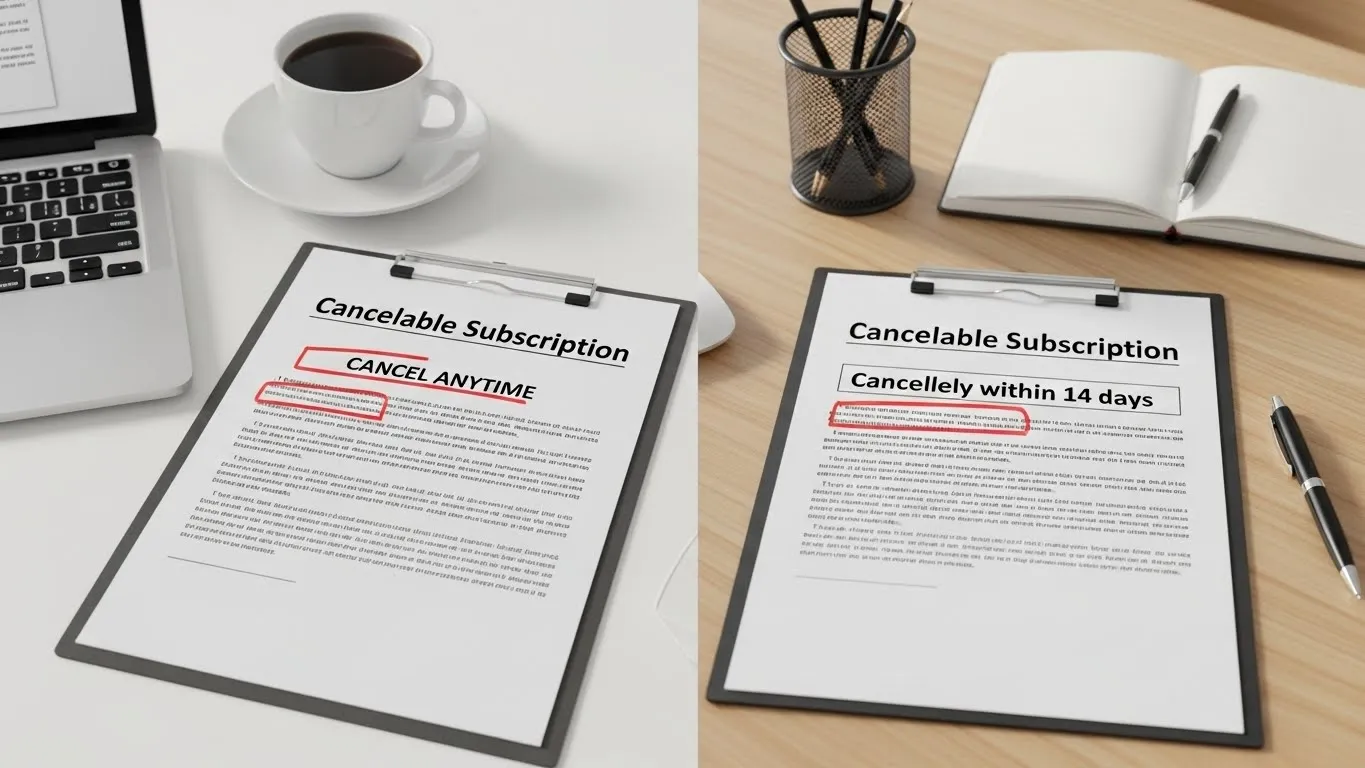
Have you ever typed cancelable in an email or contract and then paused, wondering if it should be cancellable instead? You’re not alone. This spelling confusion is one of the most common issues in written English, especially for people writing professionally,
legally, or for international audiences. Both spellings look correct, both appear in dictionaries, and both are used by native speakers so why does the confusion exist?
People search for “cancelable or cancellable” because the difference isn’t about meaning; it’s about spelling standards. American English and British English follow different rules when adding suffixes like
-able, and cancel is a classic example where those rules split. Choosing the wrong version won’t usually break meaning, but it can affect credibility, SEO consistency,
and professionalism—especially in legal documents, apps, subscriptions, and policies.
This article clears up that confusion once and for all. You’ll get a quick answer, historical context, spelling rules by region, real-life examples,
common mistakes, and guidance on which spelling you should use depending on your audience. By the end, you’ll know exactly when to use cancelable and when cancellable—with confidence.
Cancelable or Cancellable – Quick Answer
Both cancelable and cancellable are correct spellings.
The difference depends on regional English.
- Cancelable → American English
Example: “This subscription is cancelable at any time.” - Cancellable → British English
Example: “The ticket is cancellable with 24 hours’ notice.”
The meaning is the same: something that can be canceled.
The Origin of Cancelable or Cancellable
The verb cancel comes from the Latin word cancellare, meaning “to cross out.” Over time, it entered English through French and became widely used in legal and administrative writing.
The spelling difference appeared when English spelling rules evolved differently in the US and the UK. British English often keeps double consonants when adding suffixes like -able. American English, influenced by spelling reformers like Noah Webster, tends to simplify spelling by dropping extra letters.
That’s why:
- British English keeps ll → cancellable
- American English drops one l → cancelable
British English vs American English Spelling
Key Rule Difference
- British English: Keeps double consonants
- American English: Simplifies when stress is not on the final syllable
Examples Comparison
| Base Word | American English | British English |
| cancel | cancelable | cancellable |
| travel | traveling | travelling |
| label | labeled | labelled |
Both forms are correct—but consistency matters.
Which Spelling Should You Use?
Your audience decides the spelling.
- Use “cancelable” if you are writing for:
- United States readers
- American companies or apps
- SEO content targeting US searches
- Use “cancellable” if you are writing for:
- UK readers
- Australia, Canada, or Commonwealth countries
- British legal or academic content
- For global audiences:
Choose one style and stay consistent. American English is often preferred in international tech and marketing.
Common Mistakes with Cancelable or Cancellable
Here are frequent errors people make:
- ❌ Mixing spellings in the same document
✔️ Pick one style and stick to it - ❌ Assuming one spelling is incorrect
✔️ Both are correct, just regional - ❌ Changing spelling but not audience style
✔️ Match spelling to your target readers - ❌ Using autocorrect without checking region
✔️ Set your language preference correctly
Cancelable or Cancellable in Everyday Examples
Emails:
- “Your order is cancelable before shipping.”
- “The booking is cancellable within 48 hours.”
News:
- “The event is cancelable due to weather.”
- “Flights are cancellable without penalty.”
Social Media:
- “Plans are cancelable—no stress!”
- “Fully cancellable subscription available.”
Formal Writing:
- “This agreement is cancellable upon written notice.”
Cancelable or Cancellable – Google Trends & Usage Data
Search trends show clear regional patterns:
- Cancelable is searched more in the United States
- Cancellable is more popular in the UK, Australia, and Europe
In legal, travel, and subscription-related searches, both terms appear often—but rarely overlap by region. This makes correct spelling important for SEO targeting and clarity.
Read More.Vodka vs Tequila: Which Drink Should You Choose and Why?
Comparison Table: Cancelable vs Cancellable
| Feature | Cancelable | Cancellable |
| Correct spelling | Yes | Yes |
| Region | American English | British English |
| Meaning | Can be canceled | Can be cancelled |
| Used in US | ✔️ Very common | ❌ Rare |
| Used in UK | ❌ Rare | ✔️ Very common |
FAQs: Cancelable or Cancellable
1. Is cancelable incorrect English?
No. It is correct in American English.
2. Is cancellable more formal?
No. It is simply British English spelling.
3. Can I use both in the same article?
No. Use one spelling consistently.
4. Which spelling should I use for SEO?
Use the spelling your target audience searches for.
5. Are cancelable and cancellable pronounced differently?
No. They sound the same.
6. Which spelling is used in legal documents?
Both—depending on the country.
7. Does Google treat them as the same word?
No. Google treats them as separate keywords.
Conclusion
The choice between cancelable and cancellable is not about right or wrong it’s about where your audience is. Both spellings mean the same thing and are accepted in standard English.
American English prefers cancelable, while British English sticks with cancellable due to different spelling rules.
For writers, marketers, developers, and professionals, the real goal is consistency and clarity. If you’re writing for a US-based audience or optimizing for American search traffic, cancelable is the better choice.
If your readers are in the UK or Commonwealth countries, cancellable will feel natural and correct.
Understanding this difference helps you write more confidently, appear more professional, and avoid unnecessary doubt over spelling. Once you match the spelling to your audience and stick with it, the confusion disappears entirely.

David Szalay a British writer who focuses on modern life and relationships. His stories are simple but deep.