Many people stop and think when writing blonde or blond. Both spellings look right. Both appear in books, news, and social media. But which one should you use?
This question is common because English borrows words from other languages. The rules are not always simple.
You may see “blonde woman” in a magazine. But you may also see “blond hair” in a news article. This makes writers confused. Students, bloggers, and professionals all search this keyword to avoid mistakes. Using the wrong spelling can make writing look careless. Using the right one makes writing clear and correct.
This guide explains everything in simple words. You will learn the difference, origin, spelling rules, and real examples. You will also see which spelling fits your audience. By the end, you will know exactly when to use blonde and when to use blond.
Blonde or Blond – Quick Answer
The quick answer is simple:
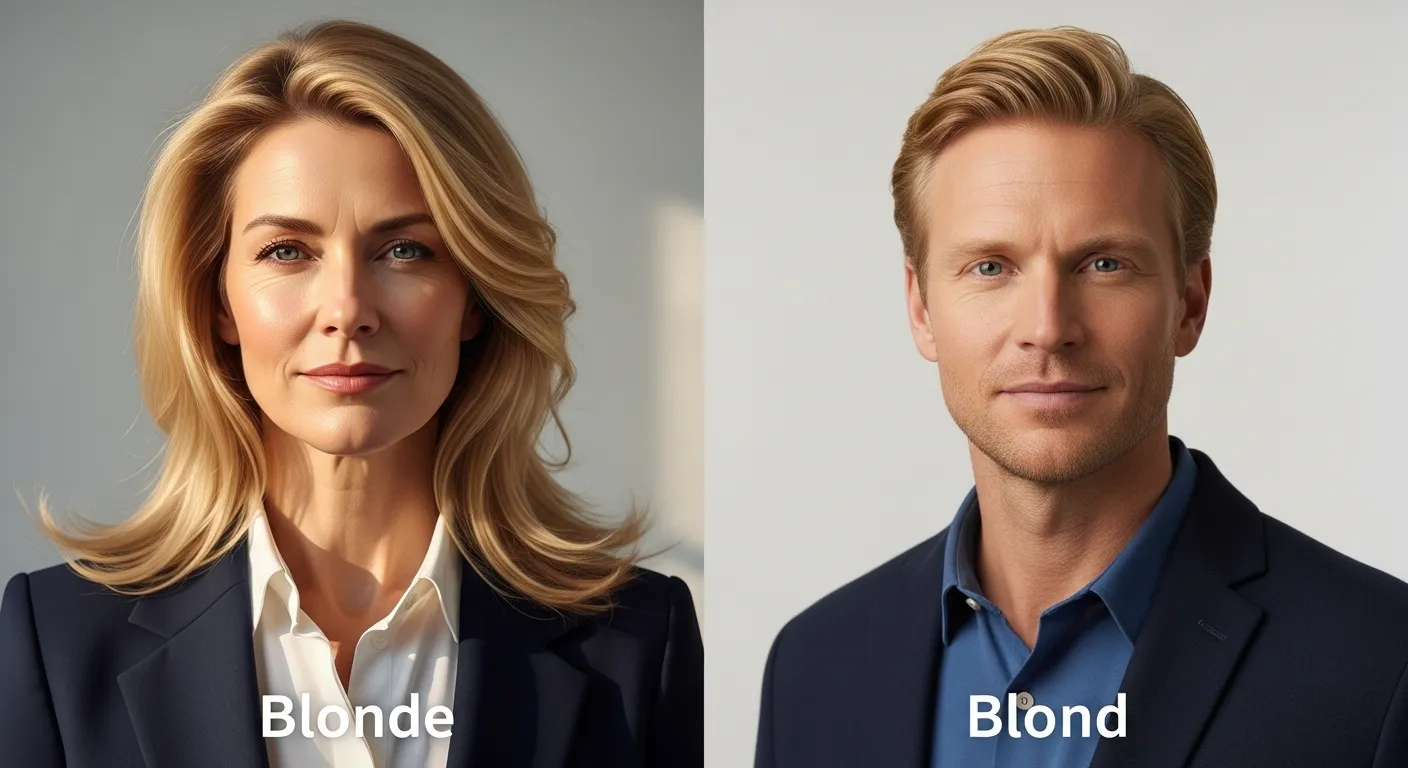
- Blond → Used for males and general use
- Blonde → Used for females
Examples:
- He is a blond boy.
- She is a blonde girl.
- He has blond hair.
- She has blonde hair.
Comparison table:
| Word | Used For | Example |
| Blond | Male or general | He is a blond actor. |
| Blonde | Female | She is a blonde model. |
Quick tip:
If the person is female, use blonde. Otherwise, use blond.
The Origin of Blonde or Blond
The words blond and blonde come from France. In French, words change form based on gender. This rule moved into English.
French rules:
- Blond → masculine (male)
- Blonde → feminine (female)
English borrowed both forms. That is why two spellings exist today.
Long ago, English writers used both forms more strictly. Over time, English became simpler. Some people stopped following gender rules. But the difference still exists in formal writing.
The word first appeared in English in the 1400s. It described light yellow hair. Today, it can also describe hair color, people, and sometimes objects.
British English vs American English Spelling
Both British and American English use blond and blonde. But usage is slightly different.
In United States:
- Blond → used for men and general use
- Blonde → used for women
In United Kingdom, Canada, and Australia:
- The same gender rule is followed
- But sometimes “blond” is used for hair color in general
Comparison table:
| Region | Male | Female | Hair color general |
| United States | Blond | Blonde | Blond |
| United Kingdom | Blond | Blonde | Blond |
| Canada | Blond | Blonde | Blond |
| Australia | Blond | Blonde | Blond |
Example sentences:
- American: She is a blonde actress.
- British: He is a blond man.
- Canadian: She has blonde hair.
- Australian: He has blond hair.
Rule summary: Gender matters more than country.
Which Spelling Should You Use?
The correct spelling depends on your audience and purpose.
Use this guide:
Use blond when:
- Talking about a male
- Talking about hair color in general
- Writing for global audiences
Example:
He is a blond athlete.
Use blonde when:
- Talking about a female
- Writing about a specific woman
Example:
She is a blonde singer.
Audience guide:
| Audience | Best spelling |
| American readers | Follow gender rule |
| British readers | Follow gender rule |
| Global readers | Blond for general, blonde for females |
| Formal writing | Follow gender rule strictly |
| Casual writing | Either works, but gender rule is safer |
Professional tip:
Follow gender rule to avoid mistakes.
Read More.Customisable or Customizable: Which Spelling Is Correct?
Common Mistakes with Blonde or Blond
Many writers make simple errors. Here are common mistakes and fixes.
Mistake 1: Using blonde for males
❌ He is a blonde man.
✔ He is a blond man.
Mistake 2: Using blond for females
❌ She is a blond woman.
✔ She is a blonde woman.
Mistake 3: Confusing hair and person
✔ Correct: She has blonde hair.
✔ Correct: He has blond hair.
Mistake 4: Using one spelling for everything
This is common but not correct in formal writing.
Correct approach:
Follow gender rule.
Blonde or Blond in Everyday Examples
Here are real-life examples from daily writing.
Email example:
- Please look for the blond man at reception.
- The blonde woman will help you.
News example:
- The blond suspect left the building.
- The blonde witness spoke to police.
Social media example:
- My friend is blonde now!
- His blond hair looks great.
Formal writing example:
- The blond actor won an award.
- The blonde author released a new book.
Celebrity example:
Marilyn Monroe was famous for her blonde hair.
Movie example:
Legally Blonde uses the female spelling because the main character is a woman.
Blonde or Blond – Google Trends & Usage Data
Search data from Google shows interesting patterns.
Usage by country:
- United States → both used often
- United Kingdom → blond slightly more common
- Canada → equal use
- Australia → blond used more for general meaning
Usage by context:
| Context | Common spelling |
| Female person | Blonde |
| Male person | Blond |
| Hair color general | Blond |
| Movies and media | Blonde for females |
| News reporting | Gender rule followed |
Why this happens:
- Blonde is linked to female identity
- Blond is neutral and general
- Media follows traditional grammar rules
Trend summary:
Both spellings are correct. Usage depends on gender and context.
Blonde vs Blond Comparison Table
Here is a full comparison:
| Feature | Blond | Blonde |
| Gender | Male or neutral | Female |
| Origin | French masculine | French feminine |
| Common use | Hair color, males | Females |
| Formal writing | Correct | Correct |
| Informal writing | Correct | Correct |
| Example | Blond man | Blonde woman |
FAQs About Blonde or Blond
1. Is blond or blonde correct?
Both are correct. Blond is for males. Blonde is for females.
2. Can I use blond for a woman?
In informal writing, yes. But formal writing should use blonde.
3. Is blond used for hair color?
Yes. Blond is often used for general hair color.
Example: She has blond hair.
4. Why does blonde have an “e”?
The “e” shows feminine form from French language.
5. Do Americans use blond or blonde more?
Americans use both. Blonde is used for females.
6. Which spelling is more common worldwide?
Blond is slightly more common because it is neutral.
7. Is blonde only for people?
Mostly yes. But sometimes used for characters or style.
Conclusion
The difference between blonde or blond comes from French gender rules. Blond is masculine and neutral. Blonde is feminine. This simple rule helps writers choose the correct spelling.
In modern English, both spellings are correct. But correct usage depends on context. Use blond for males and general hair color. Use blonde for females. This rule works in American, British, Canadian, and Australian English.
Many writers make mistakes by using one spelling for all cases. This can look unprofessional. Following the gender rule keeps your writing accurate and clear.
Media, books, and news still follow this rule. Search data also shows both spellings are popular. Blond is more neutral. Blonde is more specific.
If you write for a global audience, follow the gender rule. This is the safest and most professional choice. It helps your writing look correct everywhere.
Now you can confidently use blond and blonde without confusion.

Claire Keegan an Irish author famous for powerful short stories. She writes in a clear and emotional style.